
Free browser game and player guide
Moon Chess Game Guide: Compact Board Tactics and Move Planning
Moon Chess is valuable when approached as a focused board-tactics game where each move matters because of the position it leaves for the next turn.
Play Moon ChessOpens the Playgama-supplied game on a separate, ad-free runtime page.
Why the board matters
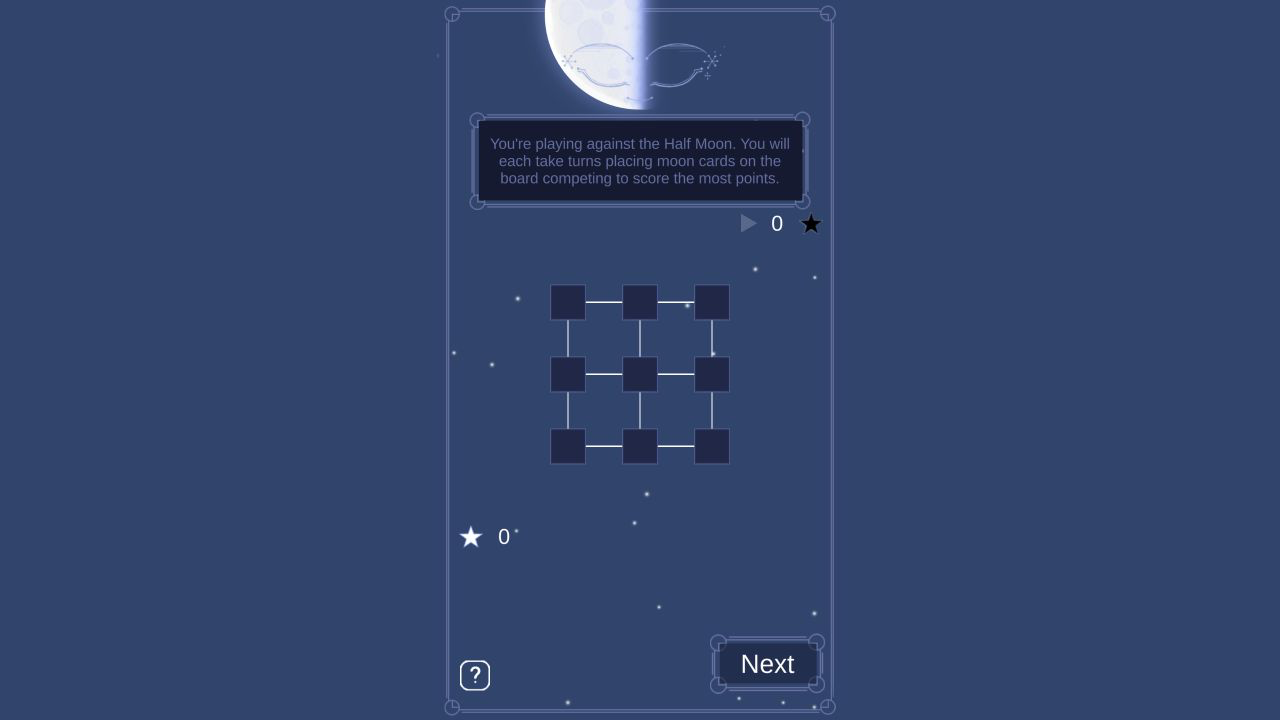
Moon Chess belongs to the kind of browser game that asks the player to slow down and read the board. The pieces, spaces, and possible responses matter more than fast input. A move is useful only if it improves the next position, limits the opponent, or creates a clearer route toward the objective.
That makes the game a good contrast to action-heavy pages. It rewards patience and pattern recognition. Even when the presentation is compact, the thinking loop can be satisfying because every change on the board affects what is possible afterward.
How to think through turns
Do not move only because a piece is available. First, ask what the move attacks, what it leaves undefended, and what reply it invites. If two moves look similar, choose the one that keeps more future options open. Board games often punish moves that solve one immediate problem while creating two new ones.
It also helps to compare center control, escape space, and piece coordination. A single strong move can be wasted if the rest of the board cannot support it. Better play usually comes from small connected improvements rather than one dramatic push.
Who should open it
Moon Chess is best for players who enjoy board strategy, deliberate turns, and quiet tactical pressure. It is not for someone who wants constant motion or instant reaction tests. The reward is the moment when a position that looked crowded becomes clear because the player found the right order of moves.
Use the first few games to learn how mistakes appear. Did you lose space, expose a piece, or miss a stronger reply? Naming the mistake makes the next board easier to read. That is where Moon Chess earns its replay value.
Practical turn routine
Before confirming a move, run through a short routine. First, identify the immediate gain. Second, check what becomes vulnerable. Third, imagine the most annoying reply from the opponent or board state. If the move still looks useful after those checks, it is probably stronger than a move chosen only by instinct.
Do not ignore quiet moves. In many board games, a small improvement in position can be more valuable than a flashy attack. Creating space, protecting a route, or forcing a less comfortable reply may decide the game a few turns later.
A useful turn routine is to ask what the opponent gains after your move. A piece that looks active may still be poor if it gives away control of the next square. The strongest moves improve your position while limiting the reply.
End positions are the real test of a move. If your piece lands somewhere active, protected, and hard to punish, the move probably improved the board. If it only creates a temporary threat while exposing something important, the opponent's answer may turn the attack into a weakness.
Where it shines
Moon Chess is a strong choice for players who want a compact thinking game inside the browser. It works best when the player is willing to pause, compare options, and learn from board state. It is not about speed. It is about making the next position easier to understand than the current one.