
Free browser game and player guide
Brain Test: IQ Challenge Puzzle Notes
A practical guide to Brain Test: IQ Challenge, covering pattern recognition, odd-one-out tasks, visual differences, hints, and puzzle pacing.
Play Brain Test: IQ ChallengeOpens the Playgama-supplied game on a separate, ad-free runtime page.
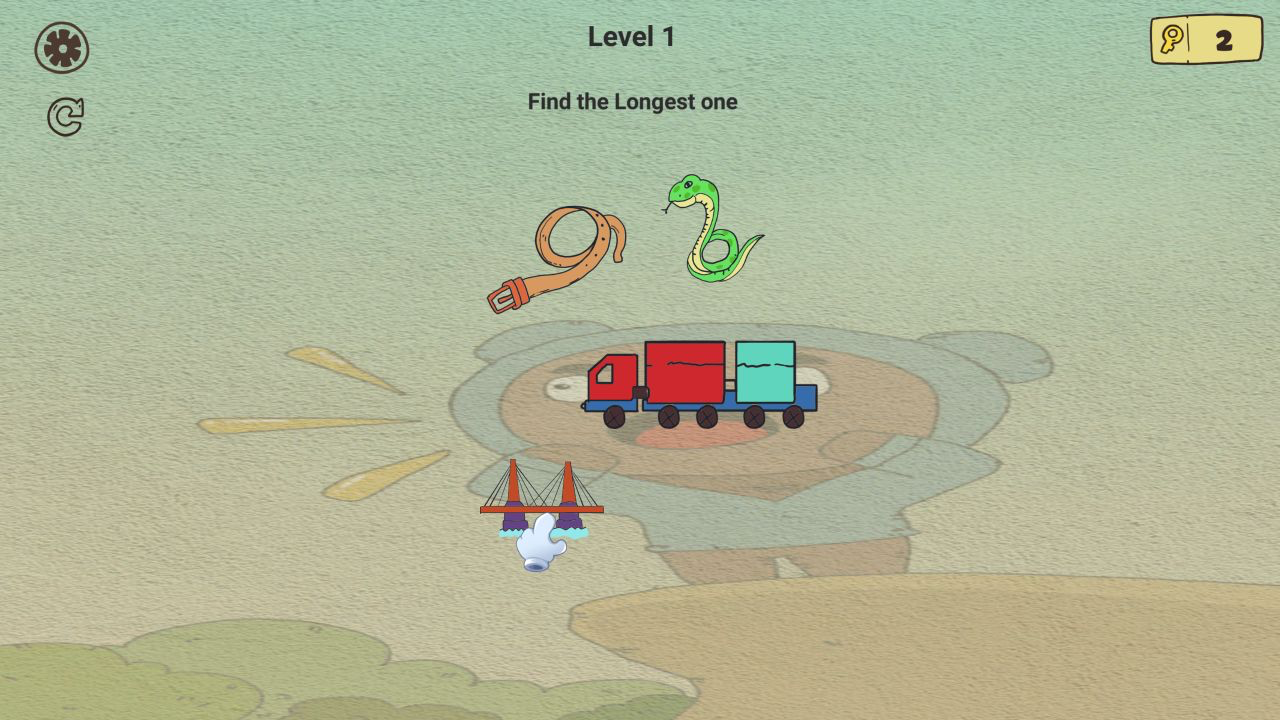
A mixed puzzle set
Brain Test: IQ Challenge is a collection of short logic tasks: spot differences, identify odd objects, solve sequences, read patterns, and use hints when a level stalls. The appeal is variety. Instead of asking the player to master one board rule, it rotates through small mental checks.
That format works well for browser play because each level can be understood quickly. The risk is rushing. Many brain-test games hide the answer in wording, shape, order, or an overlooked visual detail. If the player clicks too quickly, the puzzle can feel random even when the clue was visible.
How to solve more cleanly
Start by identifying the puzzle type. A pattern puzzle asks what changes from item to item. An odd-one-out puzzle asks which object breaks the rule shared by the others. A difference puzzle asks for visual comparison. Treating every level the same way leads to avoidable mistakes.
When looking for a pattern, check size, color, rotation, quantity, position, and sequence. When looking for the odd object, define the group rule before selecting the exception. If you cannot state the rule, wait.
Hints and learning
Hints are helpful, but they are best used after one careful pass. If you use a hint immediately, you skip the part of the game that builds recognition. If you wait until you know where you are stuck, the hint teaches more.
The most useful post-level habit is naming the trick. Was the solution based on color? A missing object? A count? A word clue? Naming it makes similar levels easier later.
Screen and controls
The provider lists mobile and desktop support with tap or click interactions. NovarGame verified the desktop runtime only and does not claim a tested mobile experience. A clear view and enough time to inspect small differences are the relevant device-fit considerations.
The game is not an IQ measurement in a formal sense. It is a casual puzzle set that rewards flexible attention.
Why variety matters
The rotation of puzzle types keeps the session fresh. One level may ask for visual scanning, the next for sequence logic, and the next for an object that does not belong. That variety makes the game better for short daily play than for grinding one repeated mechanic.
It also means mistakes are expected. The useful response is to reset your approach when the puzzle type changes.
Good session choice
This fits players who enjoy short brain teasers, varied puzzle prompts, and easy stop-and-start sessions. It is not for players who want one deep mechanical system or long story progression.
The main skill is shifting mental approach from one tiny challenge to the next. A player who tries the same solution style every time will miss the point; the game is more enjoyable when each prompt is treated as its own little trick.