
Free browser game and player guide
Cats Go!: Obstacle Course Notes
A focused guide to Cats Go!, a challenging platform course where a cat crosses hazards to reach the fish through careful jumps and route reading.
Play Cats Go!Opens the Playgama-supplied game on a separate, ad-free runtime page.
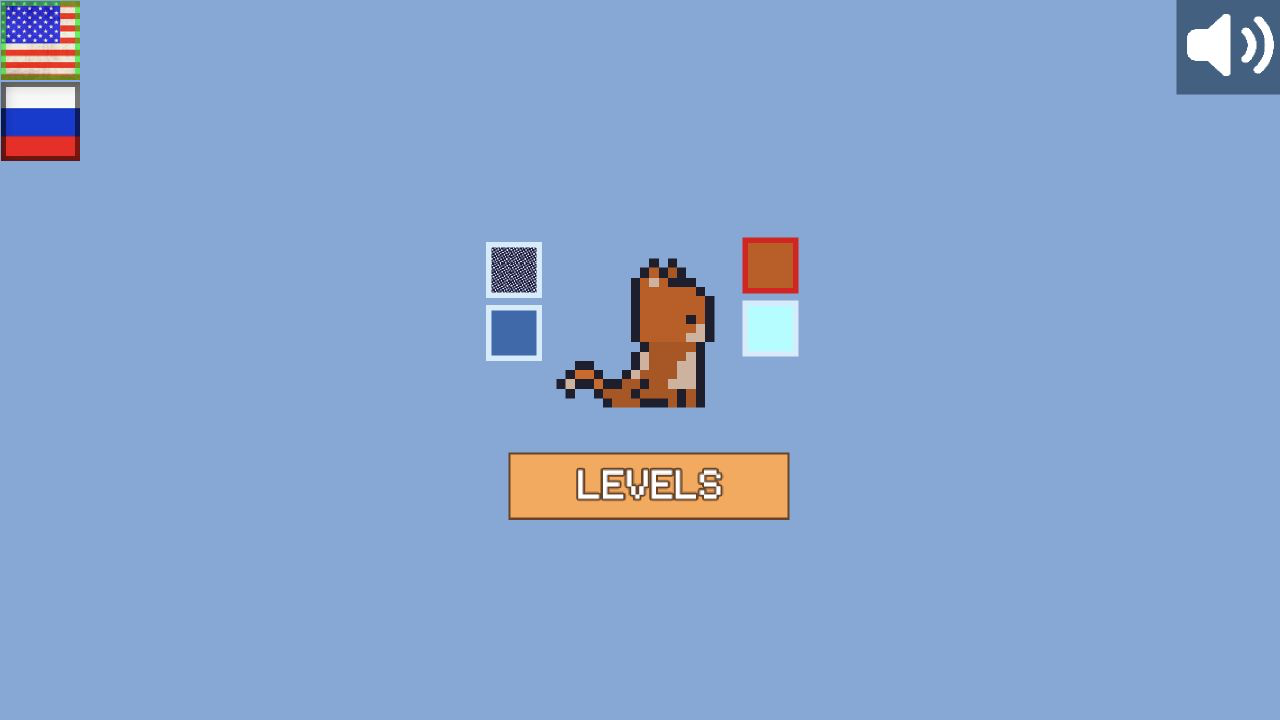
A compact platform challenge
Cats Go! is an obstacle-course platform game where the player guides a cat through a map toward a fish. The setup is simple, but the "hardcore" and "challenging" tags make the real expectation clear: this is about timing, patience, and learning the course.
The game works best when the player treats each failed attempt as route information. A jump that looked easy may have needed a later press. A landing may have required less movement afterward. A hazard may have been placed to punish rushing. The value is in turning those failures into cleaner movement.
Reading the course
Look beyond the current platform. The next landing matters as much as the jump you are making now. If the cat lands in a place that immediately creates another emergency, the first jump was not actually clean.
The fish is the goal, but the path to it is the puzzle. Watch for narrow platforms, moving hazards, and areas that require a pause before the next jump. Many platform courses are solved by rhythm, not speed.
Device comfort
The provider lists mobile and desktop support, but NovarGame verified only the desktop runtime. Platform games depend heavily on input visibility and repeatable timing, so touch-control coverage should be checked before treating the mobile version as equivalent.
Choose the device where jumps feel predictable. A challenging platformer becomes frustrating when the player cannot tell whether failure came from timing or input.
Improving over retries
Pick one section to improve at a time. Trying to master the whole course in one mental pass can make every failure feel vague. Instead, learn the first hard jump, then the next landing, then the hazard after that.
Once a section becomes consistent, the game feels much fairer. The player starts seeing the course as a route instead of a collection of surprises.
What makes it satisfying
The fish goal gives the course a clean finish. It is easy to understand why the cat is moving forward, and that clarity helps the challenge feel focused. The player is not exploring a huge map; they are trying to execute a specific route cleanly.
Because the game is difficult, small improvements matter. Reaching one platform farther than last time can feel like progress. That is the right kind of feedback for a short platform challenge.
Common mistake
One recurring mistake is pressing jump as soon as danger appears. Better play waits for the correct takeoff point. In a tight obstacle course, patience often looks slower but leads to a faster successful run.
Why the difficulty works
Cats Go! looks simple, but the course asks the player to read distance, jump height, landing safety, and restart rhythm in a very small space. The difficulty works when the player can connect each mistake to one specific movement choice.
That makes the game better suited to a specific audience than to everyone. Players who want a relaxed cat game may bounce off the challenge, while players who enjoy repeated attempts will understand the appeal quickly. That contrast helps visitors choose the right mood before launching the game.
One fair recommendation is to play for consistency instead of speed. A clean first half of the course is more valuable than a lucky rush to the final hazard. Short retries make that practice loop tolerable because each attempt can focus on one jump, one landing, or one hazard.
When to choose it
Cats Go! suits players who enjoy obstacle courses, fast restarts, cute but demanding platforming, and visible skill improvement. It is not a relaxed exploration game.
The game lands best as a precision platform challenge with a simple goal and a high emphasis on timing.